Recycling and Sustainability: Council Waste Collection Strategy
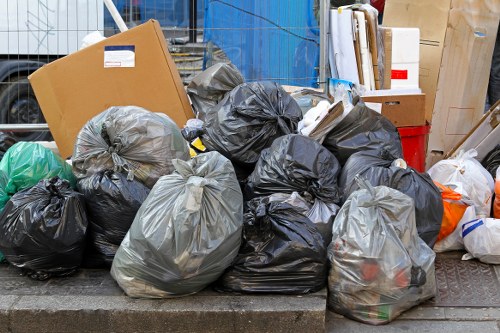 The Council Waste Collection programme is committed to delivering an ambitious, practical and transparent approach to recycling across our boroughs. Our municipal recycling targets are designed to be achievable and transformative: we aim to reach a 60% recycling rate for household waste within five years, increasing reuse and reducing landfill. This council waste services plan emphasises waste prevention, reuse and the circular economy while supporting residents to participate in everyday recycling.
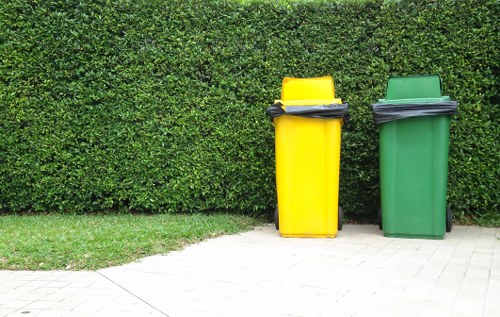
Our borough recycling service recognises that successful municipal recycling requires clear separation at source. Households are supported to separate paper, cardboard, glass, metal, plastics, and food and garden waste. Kitchen caddies and green garden bins make organic collection straightforward, while dry recycling bins capture mixed recyclables. The council's approach to waste separation also includes dedicated textile collections and small electrical waste kerbside pickups to keep reusable materials in circulation.
 To ensure materials are handled efficiently and sustainably, we operate a network of local transfer stations strategically located across the area. These transfer stations act as consolidation hubs where collected materials are sorted, baled and dispatched to specialist recycling facilities. By reducing double handling and optimising vehicle loads, the local transfer stations lower transport emissions and improve the quality of waste streams sent for processing.
Partnerships with Local Charities and Reuse Networks
Partnerships form a critical pillar of our council waste services and reuse strategy. We work closely with community charities, social enterprises and donation centres to divert usable goods away from the waste stream. Furniture, household items and clothing that are still in good condition are routed to local partners who repair, refurbish and resell or redistribute to those in need. These collaborations reduce disposal volumes and create social value through employment and training opportunities.
 Our municipal recycling and reuse partnerships include coordinated collection schemes for bulky waste where items suitable for reuse are identified and collected separately. For electronic waste (WEEE), we partner with accredited collectors and charities that can harvest working components and safely recycle hazardous parts. The borough recycling service also supports community-run swap shops and periodic collection drives that boost local reuse activity.
To make participation easy, we provide clear materials guidance and targeted education campaigns. Residents receive information about which items go into each stream, seasonal changes to collections, and how to prepare materials so they are recyclable. Reducing contamination in recycling bins is a key focus because cleaner loads mean higher recycling yields and lower processing costs.
Low-Carbon Fleet and Operational Efficiency
Decarbonising our collection fleet is central to our sustainability commitments. The council is investing in low-carbon vans and collection vehicles, replacing older diesel models with electric and hybrid alternatives where suitable. These low-emission vans are used for lighter collections, community outreach, and charity pick-ups, cutting noise and urban pollution while demonstrating our dedication to cleaner local waste collection.
Route optimisation software, smart scheduling and telematics further reduce mileage and idling time for all waste collection vehicles. Together with local transfer stations, these measures support the reduction of the overall carbon footprint of waste services. Fleet improvements are paired with training for crews on efficient driving and on-the-ground recycling best practices to maintain high-quality collections.
 To support residents and community organisations, the council offers regular information about reuse schemes, donation opportunities, and seasonal waste reduction campaigns. A simple list of common recyclable and reusable items highlights where materials should go:
- Dry recycling: paper, card, tins, cans, certain plastics
- Glass: bottles and jars (rinsed)
- Organic: food scraps and garden waste
- Textiles & WEEE: textiles, small appliances and electricals for specialist collections
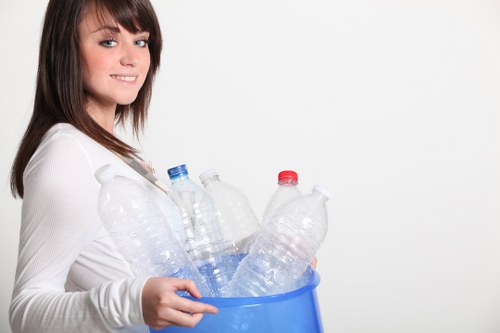 By integrating low-carbon vans, local transfer stations and strong charity partnerships, our council waste collection system aims to be resilient, efficient and inclusive. We encourage residents to take an active role: sort carefully, reuse where possible, and pass on items that still have life. The borough recycling service is an essential part of a broader environmental strategy that seeks to cut waste, lower emissions and support local communities through practical reuse and recycling efforts.
Looking ahead, the council waste services will continue to refine targets, pilot innovations such as on-demand bulky item collections, and expand its network of reuse partners. Our commitment to a minimum 60% recycling target is accompanied by short-term milestones to ensure steady progress: improving capture rates for organics, reducing contamination in mixed recycling, and increasing the reuse of furniture and textiles. Together, these actions help create a sustainable, circular approach to waste that benefits residents, charities and the environment.
Across each neighbourhood, local waste collection teams are trained to identify opportunities for reuse and to support the borough recycling strategy in everyday operations. Practical measures ??? from providing additional containers where needed to adjusting collection frequencies to match seasonal demand ??? make it easier for households to do the right thing. The council???s integrated approach ensures that recycling, resource recovery and low-carbon transport work hand in hand to deliver an improved municipal recycling system.
We continue to monitor progress regularly and publish performance updates so residents can see how the council waste collection and recycling programme performs against its targets. By combining operational improvements, investments in low-carbon vehicles and strong partnerships with charities and reuse networks, the borough is moving towards a greener, more circular future.