Health and Safety Policy for Council Waste Collection
n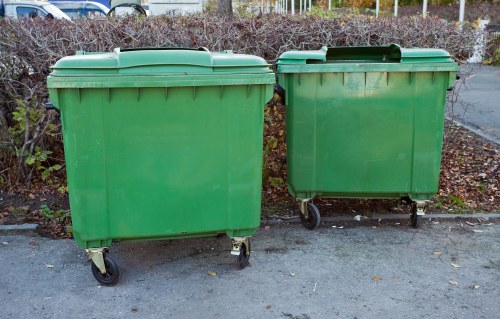 This Health and Safety Policy sets out the obligations and practical measures for safe and effective council waste collection operations. It applies to all staff, contractors and representatives involved in municipal waste collection, household rubbish pickup and similar services. The policy emphasises duty of care, risk assessment and continuous improvement, ensuring that every routine, from bin lifting to vehicle operation, upholds worker safety and public protection. It recognises that a proactive safety culture reduces incidents and improves service resilience.
The policy covers roles and responsibilities for line managers, crew members and supervisors. It describes reporting structures, training expectations and the use of personal protective equipment (PPE). Staff engaged in local authority refuse collection will be trained to identify hazards, follow safe systems of work and apply common-sense controls. Key priorities include preventing manual handling injuries, controlling sharps and hazardous waste, and ensuring safe vehicle movements in yards and on streets.
nn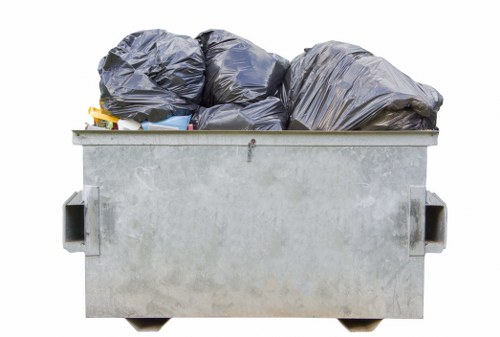 Risk management is central to safe municipal waste collection. Regular risk assessments will identify physical, chemical and ergonomic hazards associated with council rubbish collection tasks, including lifting heavy containers, working near traffic, exposure to biological waste and operating compactors. Identified risks will be mitigated by engineering controls, administrative measures and appropriate PPE. The organisation will maintain documented safe work procedures and conduct pre-shift briefings to highlight specific site or route hazards.
Operational Controls and Safe Working Practices
nVehicles and plant used for local authority bin collection will be maintained to a high standard. Regular inspections and pre-trip checks must be completed and logged. Drivers and crew should follow exclusion zones for loading and unloading, use high-visibility clothing and observe traffic management measures. Mechanical aids and lifting equipment should be used where possible to reduce manual handling. Where manual lifting is unavoidable, staff must use correct lifting techniques and seek assistance for awkward or heavy loads.
nn Training and competence are essential components of an effective municipal waste collection safety framework. All personnel will receive induction training and refresher sessions covering safe operating procedures, emergency response, first aid and manual handling. Supervisors will monitor competence and provide on-the-job coaching. Behavioural safety initiatives will encourage reporting of near misses and unsafe conditions, reinforcing that safety is everyone???s responsibility.
Communication protocols support safe operations across the service. Crews will use hand signals or radios where appropriate, and documented handover procedures will reduce the risk of misunderstandings between shifts. Incident reporting systems will capture accidents, near misses and hazardous conditions, and these will be reviewed to identify trends. The policy also supports collaborative working with other public services to manage shared risks at multi-agency events or complex collection sites.
nHealth, Welfare and Emergency Preparedness
nOccupational health measures protect staff from exposure to hazards such as bioaerosols, chemicals and repetitive strain. Regular health surveillance will be provided where risks warrant it. Welfare facilities, rest breaks and heat-stress precautions will be made available to maintain fitness for duty. Mental health awareness and support form part of a holistic wellbeing approach to sustain a healthy, resilient workforce engaged in council waste collection and related services.
nn Emergency procedures for municipal bin collection operations include spill response, fire precautions and first-aid arrangements. Crews must be familiar with site-specific evacuation plans, procedures for handling hazardous materials and contacts for emergency services. Equipment such as spill kits, fire extinguishers and first-aid supplies should be readily accessible on vehicles and at depots. Regular drills and scenario exercises will test readiness and identify areas for improvement.
![A person pushing a two-wheeled wheelbarrow filled with dark soil along a paved pathway. The individual is wearing dark trousers and their upper body and face are not visible. The wheelbarrow appears to be made of metal with black rubber tires and metal handles. To the left of the pathway, there is a dense hedge of green shrubbery, and to the right, a grassy lawn. The background shows a well-maintained garden and a blurred outdoor environment, suggesting a residential setting. The scene is lit with natural daylight, with sunlight creating a warm, inviting atmosphere. This image relates to rubbish or garden waste removal services, highlighting a landscaping or garden clearance activity that a waste management company like Council Waste Collection might handle in local areas such as [TOWN] or [POSTCODE].](/pub/_photos/rubbish/f1399940528.jpg) Monitoring and continuous improvement ensure the policy stays effective and relevant. Key performance indicators will track incident rates, training completion and vehicle maintenance. Regular audits and management reviews will evaluate the safety management system and ensure resources are applied where they deliver the greatest reduction in harm. Lessons learned from investigations will be shared across teams to prevent recurrence and to embed safer methods into all aspects of council rubbish collection.
Monitoring and continuous improvement ensure the policy stays effective and relevant. Key performance indicators will track incident rates, training completion and vehicle maintenance. Regular audits and management reviews will evaluate the safety management system and ensure resources are applied where they deliver the greatest reduction in harm. Lessons learned from investigations will be shared across teams to prevent recurrence and to embed safer methods into all aspects of council rubbish collection.
Governance arrangements assign clear accountability: senior management provides leadership and resourcing, while supervisors ensure day-to-day compliance. A safety committee will include operational representation to support consultation and constructive dialogue about risks and controls. The policy will be kept under review and updated in response to operational changes, technological advances or emerging risks in the municipal waste collection environment.
nnSummary of commitments:
n- n
- Risk assessment and hazard control across all collection activities. n
- Mandatory training, competence checks and PPE provision for all staff. n
- Safe vehicle and equipment maintenance, with pre-shift inspections. n
- Robust incident reporting, investigation and learning processes. n
- Health surveillance, welfare provision and emergency preparedness. n
The organisation expects every person involved in municipal waste collection to act responsibly, report unsafe conditions and contribute to a culture of safety. By applying these principles to council waste collection, local authority refuse collection and related operations, the service will protect employees, contractors and the public while maintaining reliable and sustainable collection services.
n