 Complaints Procedure for Council Waste Collection Services
Purpose: This document sets out a clear, accessible complaints process for a council waste collection service, designed to help residents and users raise concerns about collection performance, missed collections, bin damage, recycling errors, or other refuse service issues. The aim is to ensure that every concern is acknowledged, investigated and resolved in a timely and transparent way. The procedure applies to general household refuse, recycling and garden waste but is not a substitute for statutory or emergency channels.
Scope: The procedure covers the municipal refuse collection and related collection activities provided by the authority. It applies equally to reports about regular collection rounds, special bulk collections, street cleansing interactions and associated containers. The process is intended to be impartial and fair, balancing service delivery aims with the legitimate expectations of residents and businesses.
![Three cylindrical outdoor rubbish bins placed on a grassy area, each with a black ribbed metal body and a smooth, rounded plastic lid in blue, yellow, and green respectively. The lids have built-in openings for waste disposal, with the blue bin on the left, the yellow bin in the middle, and the green bin to the right. The bins are positioned in a slight diagonal line, with the blue bin foregrounded and the green bin slightly behind. The grass surrounding the bins is well-maintained, lush, and vibrant, suggesting a residential or community setting in a town or suburb. The lighting indicates a cloudy or overcast day, as there are no harsh shadows or bright reflections on the surfaces of the bins. The scene conveys a typical waste management setup in the UK, where Council Waste Collection provides outdoor rubbish disposal solutions, ensuring proper waste segregation and cleanliness in the local environment near [POSTCODE].](/pub/_photos/rubbish/f1344962560.jpg) What we consider a formal complaint includes persistent missed bin collections, repeated service failures, failure to follow published collection arrangements, damage to property directly resulting from collection activity, or failures in communication about service changes. Not every service request is a complaint: a one-off missed collection can be reported as a routine service request, while a pattern of failures or inadequate response qualifies as a complaint that should be recorded for investigation.
What we consider a formal complaint includes persistent missed bin collections, repeated service failures, failure to follow published collection arrangements, damage to property directly resulting from collection activity, or failures in communication about service changes. Not every service request is a complaint: a one-off missed collection can be reported as a routine service request, while a pattern of failures or inadequate response qualifies as a complaint that should be recorded for investigation.
How to raise an issue and initial handling
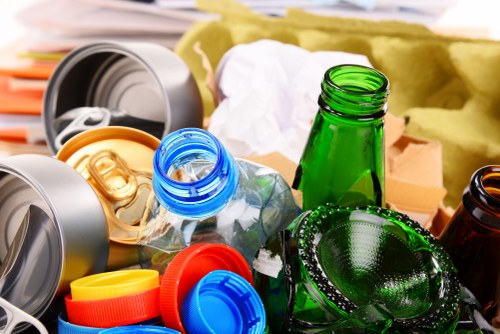 Stage 1 ??? Reporting and recording: When a resident or representative raises a concern about the local waste collection service, it should be logged promptly. The complaint should include sufficient details to allow investigation: dates and times of incidents, location, bin type (general, recycling, garden), and any supportive evidence such as photographs or reference numbers. The council will acknowledge receipt of the complaint and provide an expected timescale for initial response and any immediate remedial action.
Initial assessment and categorisation: Each complaint is screened to determine urgency and whether it can be resolved quickly, needs operational follow-up, or should be escalated for a formal review. Examples of outcomes at this stage include arranging a re-collection, notifying crew supervisors, scheduling a site visit, or escalating to a detailed service investigation. The aim is to resolve straightforward complaints swiftly while ensuring complex or recurring problems receive a thorough response.
- Examples of quick resolutions: arranging a re-collection, replacing a damaged bin, clarifying collection schedules.
- Examples requiring investigation: repeated missed collections on the same route, safety or behaviour incidents involving collection staff, persistent recycling contamination or collection pattern changes not communicated.
- Recording and tracking: all complaints are recorded in the complaints log to allow monitoring of trends, performance and service improvements.
Investigation, response and escalation
Investigation: An investigation will gather operational records, crew reports, vehicle tracking where available, and any photographic evidence provided by the complainant. Investigators will consider whether the issue arose from an operational error, service disruption, exceptional circumstances (for example severe weather or road closures), or from misunderstandings about collection arrangements. Findings will be documented and used to determine appropriate remedies.
 Response and remedy: Following the investigation, the complainant will receive a clear written outcome setting out the findings and any corrective action taken, such as service adjustments, re-collections, staff retraining or procedural changes. Where operational error is identified, the council will explain the steps taken to prevent recurrence. Appeals against the investigation outcome are handled through the council???s appeals stage for complaints.
![A smiling man wearing a light purple shirt holds a blue recycling bin filled with empty plastic bottles, positioned in a bright kitchen setting with light wooden cabinets and a white tile backsplash. Behind him, a woman in a grey top is near a countertop, holding a green recycling box with a recycling symbol, and appears to be preparing to sort waste. The background includes a wooden display cabinet with glass doors containing various glassware and a small wooden holder for kitchen utensils. The scene conveys an organized, domestic environment focused on recycling and rubbish management, emphasizing proper waste separation practices in a typical UK household context. The natural lighting highlights the textures of the plastic bottles and the finishes of the kitchen furniture, reinforcing the clean and orderly atmosphere associated with responsible rubbish disposal on a local level, relevant to services provided by Council Waste Collection in the area around [POSTCODE] and [TOWN].](/pub/_photos/rubbish/f1374104168.jpg) Escalation and independent review: If a complainant remains dissatisfied after the formal complaint outcome, there is an escalation route for a senior review. The review will be impartial, carried out by staff not directly involved in the original decision. Where appropriate and available, the matter may be referred to an independent oversight body for further scrutiny. Throughout escalation, the council will maintain transparent records of decisions and the rationale for outcomes.
Escalation and independent review: If a complainant remains dissatisfied after the formal complaint outcome, there is an escalation route for a senior review. The review will be impartial, carried out by staff not directly involved in the original decision. Where appropriate and available, the matter may be referred to an independent oversight body for further scrutiny. Throughout escalation, the council will maintain transparent records of decisions and the rationale for outcomes.
Timeframes and monitoring: The council aims to acknowledge complaints promptly and to complete investigations within published timeframes. Performance against these targets is monitored to ensure the waste collection function learns from complaints. Frequent or recurring complaints on the same issue will trigger a broader service review and may result in operational changes or additional resources to address systemic problems.
Recording lessons and continuous improvement: Complaints about council waste collection are a key source of service intelligence. Summaries of complaint themes inform operational planning, crew training, route adjustments and communication strategies. Data is reviewed periodically to identify patterns, reduce repeat incidents and improve the overall reliability of the refuse and recycling collection service.
Rights and fairness: The complaints procedure is designed to be fair to both residents and staff. Complainants can expect respectful treatment and a reasoned response; staff facing allegations will have the opportunity to explain events. The council will ensure confidentiality where appropriate and will not disclose personal data except as necessary for investigation and resolution, in line with general data handling principles.
Publication and accessibility: The complaints procedure is published and available to users of the waste collection service in accessible formats. Alternative arrangements are provided for those who need assistance with making a complaint, and reasonable adjustments will be offered to ensure no one is prevented from raising a concern. Clear records of complaints, outcomes and improvements support transparency and accountability.
Summary: Effective complaint handling strengthens the council waste collection service by ensuring problems are fixed, trends are identified and service quality improves. Timely acknowledgement, thorough investigation, clear remedies, and an accessible escalation route together create a robust process that balances operational realities with the needs of local residents and service users.
Commitment: The authority is committed to learning from complaints, improving the refuse collection and recycling service, and ensuring that concerns are treated seriously and resolved where possible. Continuous monitoring of performance and regular review of this complaints procedure will help maintain high standards of service delivery.