Comprehensive Guide to Council Waste Collection in Mile End
Introduction to Waste Collection Services in Mile End
Waste management is a crucial service provided by the council to ensure that our community remains clean and sustainable. In Mile End, the council has implemented a comprehensive waste collection system tailored to meet the needs of its residents.
Proper waste collection not only helps in maintaining hygiene but also plays a significant role in environmental conservation. Understanding the specifics of Mile End's waste collection services can help residents manage their waste more effectively.
This guide aims to provide detailed information about the council waste collection services in Mile End, including schedules, types of waste collected, recycling initiatives, and more.
Waste Collection Schedule and Types of Waste
Regular Waste Collection
The council in Mile End conducts regular waste collection twice a week. Typically, the collection days are Tuesdays and Fridays, but it's essential to check the local schedule as it may vary.
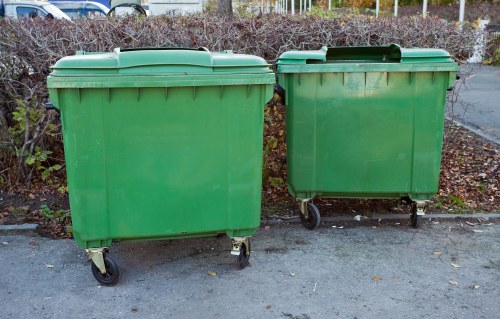
Residents are required to place their general waste in designated bins outside their homes on the collection day. Ensure that the bins are accessible and not blocked by vehicles or other obstacles.
General waste includes non-recyclable household items such as food scraps, used paper towels, and other household refuse. Proper segregation is crucial for efficient waste management.
Recycling Collection
Recycling is a key component of Mile End's waste management strategy. The council provides separate bins for recyclable materials like paper, plastic, glass, and metals.
Residents are encouraged to sort their recyclables and place them in the appropriate bins. This effort helps reduce landfill usage and promotes environmental sustainability.
Automatic collection of recyclables typically occurs on the same days as general waste collection. However, some areas may have specific schedules, so it's advisable to consult the local waste collection calendar.
Recycling Initiatives and Guidelines
The council of Mile End is committed to promoting recycling among its residents. To facilitate this, they have established clear guidelines on what can and cannot be recycled.
Common recyclable items include:
- Paper and cardboard
- Plastic bottles and containers
- Glass bottles and jars
- Metal cans and tins
It's important to rinse and clean recyclable items before placing them in the bins to prevent contamination. Contaminated recyclables may be sent to landfills, undermining recycling efforts.
The council also organizes regular awareness programs to educate residents about the benefits of recycling and how to participate effectively.
Electronic Waste (E-Waste) Collection
Electronic waste, or e-waste, includes discarded electronic devices like phones, computers, and televisions. Mile End offers special collection services for e-waste to ensure safe and environmentally friendly disposal.
Residents can schedule e-waste pickups through the council's website or drop off items at designated collection points. Proper disposal of e-waste helps prevent harmful substances from polluting the environment.
The council partners with certified e-waste recycling firms to handle the disposal process, ensuring compliance with environmental regulations.
Special Waste Collection Services
In addition to regular and recycling collections, Mile End's council offers special waste collection services for bulky items and hazardous materials.
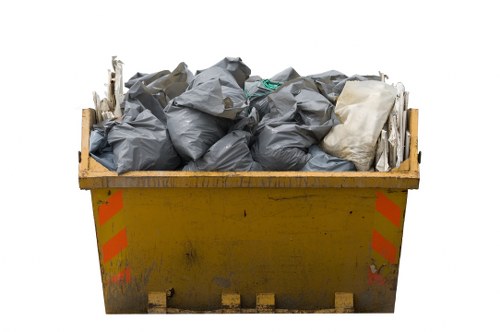
Bulky waste items include furniture, mattresses, and large appliances. These items require special handling and should be scheduled for pickup to avoid public inconvenience.
Hazardous waste, such as batteries, paints, and chemicals, must be disposed of carefully to prevent environmental contamination. The council provides specific guidelines and collection events for hazardous materials.
Bulk Waste Collection Process
To arrange for bulky waste pickup, residents need to contact the council in advance. Information can be found on the council's official website or through their customer service center.
It's important to follow the council's instructions regarding item placement and preparation to ensure a smooth collection process.
Improper disposal of bulky items can lead to fines and environmental harm, so adherence to guidelines is essential.

How to Prepare Your Waste for Collection
Proper preparation of waste ensures efficient collection and recycling processes. Here are some essential tips for residents of Mile End:
- Segregate waste: Separate general waste from recyclables and hazardous materials.
- Use appropriate bins: Ensure that items are placed in the correct bins provided by the council.
- Secure loose items: Tie bags securely to prevent spillage during collection.
- Clean recyclables: Rinse containers to remove food residue and contaminants.
- Schedule bulk pickups: Arrange for bulky waste collection in advance to avoid disruptions.
Following these steps not only facilitates a smoother waste collection process but also contributes to a cleaner and healthier community.
Tips for Reducing Waste
Minimizing waste generation is as important as proper disposal. Consider the following strategies to reduce household waste:
- Opt for reusable containers instead of single-use plastics.
- Compost organic waste like fruit and vegetable scraps.
- Purchase products with minimal packaging.
- Repair items instead of discarding them.
- Donate unused items to local charities instead of throwing them away.
These practices help lower the overall waste burden and promote sustainable living in Mile End.
Reporting Waste Collection Issues
If you encounter any problems with waste collection services in Mile End, such as missed collections or overflowing bins, it's important to report them promptly to the council.
The council provides multiple channels for reporting issues, including an online portal, a dedicated phone line, and in-person offices. Timely reporting helps the council address problems efficiently.
When reporting an issue, provide as much detail as possible, including your address, the nature of the problem, and any relevant photos. This information assists the council in resolving the issue effectively.
Contacting the Council
Residents can contact the council through the following methods:
- **Online Portal:** Visit the official council website and navigate to the waste collection section.
- **Phone:** Call the waste management hotline available on the council's website.
- **In-Person:** Visit the local council office during working hours.
Choose the most convenient method for you to ensure that your concerns are addressed promptly.
Tracking Your Report
After reporting an issue, you can track its status through the council's online portal. This feature provides updates on the progress of your reported problem and estimated resolution times.
Staying informed helps manage expectations and ensures transparency in the waste collection services provided by the council.
Environmental Impact and Sustainability Efforts
The council of Mile End is dedicated to reducing the environmental impact of waste collection through various sustainability initiatives.
These efforts include promoting recycling, reducing landfill usage, and encouraging waste reduction practices among residents. By implementing these strategies, Mile End aims to create a more sustainable and eco-friendly community.
Community participation is essential for the success of these initiatives. Residents are encouraged to actively engage in recycling programs and adopt sustainable habits in their daily lives.
Recycling Programs
Recycling programs in Mile End are designed to make it easier for residents to sort and dispose of recyclable materials. The council provides clear guidelines and resources to assist in the recycling process.
Regular workshops and informational campaigns help educate the community about the importance of recycling and how to do it correctly.
Participation in these programs not only benefits the environment but also fosters a sense of community responsibility.
Reduction of Carbon Footprint
Efforts to reduce the carbon footprint include optimizing waste collection routes to minimize fuel consumption and emissions. The council invests in eco-friendly vehicles and technologies to enhance the efficiency of waste collection services.
Additionally, initiatives such as promoting the use of reusable products and reducing overall waste generation contribute to lowering the community's carbon footprint.
These measures align with broader environmental goals and demonstrate Mile End's commitment to sustainability.
Future Plans for Waste Collection in Mile End
The council is continuously working to improve waste collection services in Mile End. Future plans include expanding recycling facilities, introducing more sustainable practices, and enhancing community engagement.
Investment in advanced waste management technologies will streamline the collection process and improve efficiency. These advancements aim to provide better services while minimizing environmental impact.
Community feedback plays a vital role in shaping these future initiatives. The council encourages residents to share their suggestions and participate in planning sessions to ensure that waste collection services meet the community's needs.
Expansion of Recycling Facilities
To accommodate the growing volume of recyclable materials, the council plans to expand existing recycling facilities. This expansion will increase the capacity for processing recyclables and reduce the need for transporting materials to distant locations.
Enhanced facilities will also incorporate state-of-the-art technologies, improving the efficiency and effectiveness of recycling operations.
These improvements will support Mile End's sustainability goals and promote a circular economy within the community.
Community Engagement Initiatives
Engaging the community is essential for the success of waste management programs. The council aims to foster stronger community involvement through educational campaigns, workshops, and volunteer opportunities.
Initiatives such as neighborhood clean-up events and recycling drives encourage residents to take an active role in maintaining a clean and sustainable environment.
Building a collaborative relationship with the community ensures that waste collection services are responsive to residents' needs and preferences.
Nearby Areas and Their Waste Collection Features
Mile End is surrounded by several neighborhoods, each with unique waste collection features. Understanding these can help residents of Mile End coordinate and collaborate on waste management efforts.
Here are the 15 closest areas to Mile End and their respective waste collection highlights:
- Stratford: Known for its robust recycling programs and regular community clean-up events.
- Bow: Features specialized collection for garden waste and compostables.
- Leyton: Offers advanced e-waste recycling initiatives and workshops.
- Bethnal Green: Has a high recycling rate and extensive public awareness campaigns.
- Dalston: Focuses on reducing single-use plastics and promoting reusable alternatives.
- Hackney Wick: Implements innovative waste-to-energy projects.
- Homerton: Provides convenient drop-off points for hazardous waste.
- Victoria Park: Known for its community-led recycling centers.
- Forest Gate: Engages residents with regular waste management workshops.
- Lower Clapton: Offers bulk waste pickup services tailored to residents' needs.
- Snaresbrook: Maintains clean streets with efficient waste collection schedules.
- Walthamstow: Hosts annual recycling fairs to promote sustainable practices.
- Wanstead: Features a comprehensive waste segregation system for households.
- Woodford: Invests in eco-friendly waste collection vehicles to reduce emissions.
- Cantley: Provides extensive support for recycling and waste reduction initiatives.
These neighboring areas complement Mile End's waste collection services, fostering a collaborative approach to maintaining a clean and sustainable environment across the region.
Frequently Asked Questions
1. What items are recyclable in Mile End?
In Mile End, recyclable items include paper, cardboard, plastic bottles and containers, glass bottles and jars, and metal cans. It's important to rinse and clean these items before placing them in the recycling bins to prevent contamination.
2. How can I schedule a bulky waste pickup in Mile End?
To schedule a bulky waste pickup, contact the Mile End council through their official website or call the waste management hotline. Provide details about the items you wish to dispose of, and the council will arrange a convenient pickup time.
3. What should I do with electronic waste in Mile End?
Electronic waste can be disposed of by scheduling a special pickup through the council or by visiting designated e-waste collection points. Ensure that devices are properly prepared for recycling to facilitate safe disposal.
4. Are there any fees for special waste collection services?
Some special waste collection services may incur fees, especially for bulky or hazardous items. It's best to check the council's official website or contact their customer service for detailed information on any applicable charges.
5. How can I report a missed waste collection in Mile End?
If you miss a waste collection day or encounter any issues, report it to the council through their online portal, by phone, or by visiting a local council office. Providing detailed information will help the council address the issue promptly.