Council Waste Collection Chadwell Heath
Understanding Waste Collection Services in Chadwell Heath
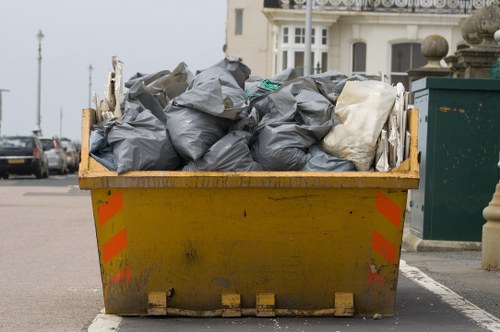
Effective waste management is crucial for maintaining the cleanliness and health of any community. In Chadwell Heath, the council waste collection services play a vital role in ensuring that residents dispose of their waste responsibly and sustainably.
Whether you're a homeowner, a business, or a local institution, understanding how the council waste collection operates can help you comply with regulations and contribute to a cleaner environment.
This article delves into the specifics of council waste collection in Chadwell Heath, providing essential information to help you manage your waste effectively.
How Council Waste Collection Works
Schedule and Frequency
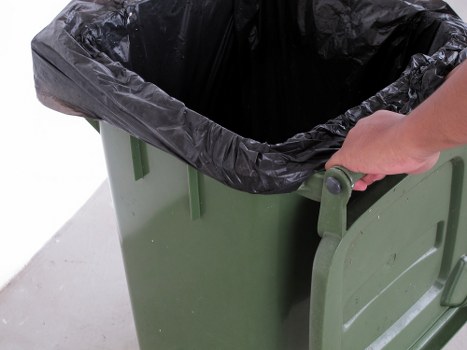
The council waste collection in Chadwell Heath follows a structured schedule to ensure consistent and reliable services. Typically, general waste and recycling collections occur on designated days each week. It's essential to familiarize yourself with the local collection calendar to avoid missing pickups or incinerating recyclable materials.
For bulky waste or special collection services, the council provides specific guidelines and schedules. Residents can book appointments for the disposal of large items that do not fit into regular bins, ensuring that waste is managed efficiently without burdening the standard collection system.
Understanding the frequency and scheduling of waste collection helps residents plan their waste disposal activities, leading to smoother operations and cleaner neighborhoods.
Types of Waste Collected
General Waste
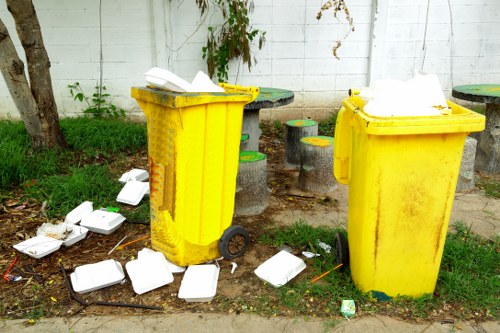
General waste refers to everyday items that cannot be recycled or composted. This includes items like packaging materials, non-recyclable plastics, and other household trash. Council waste collection services ensure that general waste is collected regularly and disposed of in designated facilities to minimize environmental impact.
Residents are encouraged to segregate their waste properly, placing general waste in appropriate bins to prevent contamination and facilitate efficient processing.
Proper disposal of general waste is a key component in maintaining a sustainable waste management system within Chadwell Heath.
Recycling
Recycling is an integral part of the waste collection process, aiming to reduce the volume of waste sent to landfills and conserve natural resources. Chadwell Heath's council offers separate bins for recyclable materials such as paper, cardboard, glass, and certain plastics. By separating recyclables from general waste, residents contribute to the circular economy and support environmental sustainability.
Green Waste
Green waste includes biodegradable materials like garden clippings, leaves, and organic kitchen waste. The council provides specific collection services for green waste, encouraging residents to compost or utilize these materials for environmental benefits. Proper management of green waste helps reduce greenhouse gas emissions and promotes soil health.
Special Collection Services
Bulky Waste Collection

Bulky waste refers to large items such as furniture, appliances, and other sizable household objects that cannot be managed through regular waste collection. Chadwell Heath's council offers specialized bulky waste collection services to address these needs. Residents can request pickups for bulky items, ensuring they are disposed of responsibly and safely.
Scheduling bulky waste collection ahead of time helps both the council and residents manage these items without disrupting regular services.
Electronic Waste Recycling
Electronic waste, or e-waste, includes discarded electrical and electronic devices. Proper disposal and recycling of e-waste are essential to prevent hazardous materials from harming the environment. The council provides designated collection points and events for e-waste, encouraging residents to recycle their outdated or broken electronics responsibly.
Hazardous Waste Disposal
Hazardous waste comprises substances that pose significant risks to health or the environment, such as chemicals, batteries, and certain types of medical waste. Chadwell Heath's council offers specific disposal solutions for hazardous materials, ensuring they are handled safely and in compliance with regulations. Residents are advised to follow guidelines when disposing of hazardous waste to maintain community safety.
How to Prepare Your Waste for Collection
Segregating Waste Properly

Proper segregation of waste is the foundation of effective waste management. By categorizing waste into general, recyclable, and green waste, residents facilitate efficient collection and processing. This practice not only aids the council in managing waste but also minimizes the environmental impact.
- General Waste: Non-recyclable items placed in brown or black bins.
- Recyclables: Items like paper, glass, and certain plastics placed in blue or green bins.
- Green Waste: Organic materials placed in designated green bins or composting areas.
Following proper segregation guidelines ensures that recyclable materials are not contaminated, maintaining their quality and usability in the recycling process.
Proper Bin Usage and Placement
Using the correct bins for each type of waste is essential for efficient collection. Ensure that bins are placed at the designated collection points and are easily accessible to waste collection vehicles. Avoid overfilling bins to prevent spillage and ensure that waste can be collected without obstruction.
Storing Bulky Items Safely
When preparing for bulky waste collection, ensure that items are stored safely and do not block pathways or access points. Place bulky items in a safe, designated area outside your property, following the council's guidelines to facilitate easy pickup.
Local Regulations and Guidelines
Waste Disposal Rules
Chadwell Heath's council has established specific waste disposal rules to maintain public health and environmental standards. Residents must adhere to these regulations to avoid penalties and contribute to community well-being.
Common rules include proper waste segregation, adhering to collection schedules, and using authorized collection points for special waste. Familiarizing yourself with these guidelines is crucial for compliant and responsible waste management.
Penalties for Non-Compliance
Failure to comply with local waste disposal regulations can result in fines or other penalties. These measures are in place to encourage proper waste management practices and deter illegal dumping or improper disposal.
Understanding the consequences of non-compliance underscores the importance of following waste collection guidelines.
Environmental Impact
Responsible waste management has a direct impact on the environment. Proper collection and disposal reduce pollution, conserve natural resources, and promote sustainability. Chadwell Heath's council waste collection services are designed to minimize environmental harm and support a greener community.
Benefits of Effective Waste Collection
Environmental Sustainability
Effective waste collection contributes significantly to environmental sustainability. By promoting recycling, reducing landfill usage, and managing waste responsibly, the council helps preserve natural resources and reduce pollution.
Residents play a crucial role in this process by adhering to waste management practices and participating in recycling programs.
Community Health and Safety
Proper waste management is essential for maintaining community health and safety. It prevents the spread of diseases, reduces pest infestations, and eliminates fire hazards associated with unmanaged waste.
Economic Efficiency
Efficient waste collection services reduce the economic burden on the council and residents by lowering the costs associated with waste handling and disposal. Recycled materials can also support local industries, creating economic benefits within the community.
Innovations in Waste Collection
Smart Waste Collection Systems
Advancements in technology have revolutionized waste collection processes. Smart waste collection systems use sensors and data analytics to optimize collection routes, reduce fuel consumption, and improve service efficiency.
Implementing such systems allows the Chadwell Heath council to enhance their waste management operations, ensuring timely and efficient pickups.
Recycling Initiatives
Ongoing recycling initiatives aim to increase the percentage of waste materials that are successfully recycled. Programs include public education, improved recycling facilities, and incentives for residents to participate actively in recycling efforts.
Zero-Waste Goals
Many councils, including Chadwell Heath, are working towards zero-waste goals, striving to eliminate all landfill-bound waste by promoting recycling, composting, and waste reduction strategies.
Community Involvement and Education
Public Awareness Campaigns
Educating the community about the importance of proper waste management fosters responsible behavior and encourages active participation in council waste collection programs. Public awareness campaigns utilize various platforms to disseminate information and engage residents.
Workshops and Training
The council conducts workshops and training sessions to teach residents how to manage waste effectively. These sessions cover topics like waste segregation, composting, and the proper disposal of hazardous materials.
Volunteer Programs
Volunteer programs invite community members to take an active role in waste collection initiatives. Volunteers assist in organizing collection drives, cleaning up public spaces, and promoting sustainable waste management practices.
Challenges in Waste Collection
Increasing Waste Volumes
The growing population and consumerism lead to increased waste volumes, presenting challenges for effective waste collection. The council must continuously adapt and expand services to accommodate rising demand.
Recycling Contamination
Contamination of recyclable materials hinders the recycling process and reduces the quality of recycled outputs. Educating residents about proper recycling practices is essential to minimize contamination and enhance recycling efficiency.
Funding and Resources
Securing adequate funding and resources is critical for maintaining and improving waste collection services. Budget constraints can limit the council's ability to implement new technologies, expand services, or enhance recycling facilities.
Future Outlook for Waste Collection in Chadwell Heath
Sustainable Practices
The future of waste collection in Chadwell Heath leans heavily towards sustainability. Emphasis is placed on reducing waste production, increasing recycling rates, and exploring innovative disposal methods to minimize environmental impact.
Technology Integration
Incorporating advanced technologies like AI and IoT will streamline waste collection processes, making them more efficient and responsive to the community's needs. These technologies can optimize routes, predict waste generation patterns, and enhance overall service quality.
Community Collaboration
Continued collaboration between the council and community members is essential for achieving waste management goals. Involving residents in decision-making, planning, and execution ensures that waste collection services align with their needs and expectations.
Conclusion
Taking Responsibility
Effective council waste collection in Chadwell Heath requires a collective effort from both the council and residents. By understanding and participating in waste management practices, the community can create a cleaner, healthier, and more sustainable environment.
Moving Forward
As waste volumes grow and environmental concerns escalate, the importance of robust waste collection services cannot be overstated. Chadwell Heath's commitment to improving waste management practices sets a positive example for other communities striving for sustainability.
Frequently Asked Questions
1. What days is general waste collected in Chadwell Heath?
General waste collection in Chadwell Heath typically occurs once a week. Residents should check the local council's collection calendar or notification for specific pickup days in their area.
2. How can I arrange for bulky waste collection?
Residents can request bulky waste collection by contacting the Chadwell Heath council's waste management department. It's advisable to book an appointment in advance to ensure timely pickup.
3. What items are considered hazardous waste?
Hazardous waste includes chemicals, batteries, medical waste, and certain electronic devices. These items require special disposal methods and should not be placed in general or recycling bins.
4. How can I reduce my waste footprint?
To reduce waste footprint, residents can practice recycling, composting organic materials, minimizing single-use items, and reusing or donating items instead of discarding them.
5. Are there penalties for not following waste segregation rules?
Yes, non-compliance with waste segregation and disposal regulations can result in fines or other penalties. It's important to adhere to local guidelines to avoid such consequences.
Nearby Areas to Chadwell Heath
- Romford
- Hornchurch
- Emerson Park
- Havering-atte-Bower
- Barkingside
- Dagenham
- Upminster
- Elm Park
- Cranham
- Barnehurst
- South Chingford
- Goodmayes
- Grange Hill
- Central Hainault