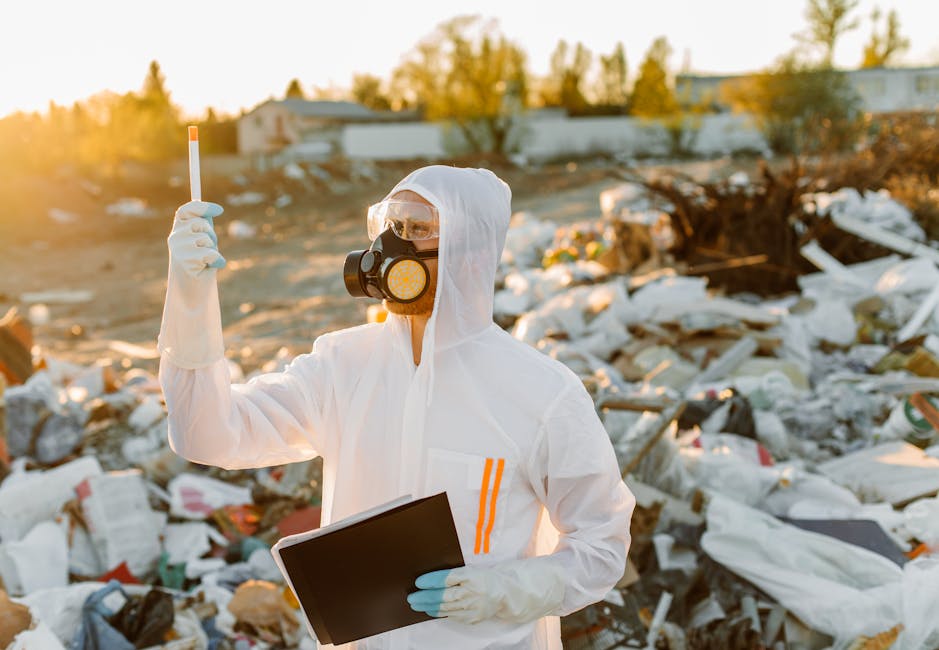
Prepare household hazardous waste for safe collection: a practical UK guide
Getting rid of old paint, bleach, solvents, batteries, aerosols, or garden chemicals sounds simple until you're staring at a half-open cupboard and wondering what on earth counts as hazardous. That's exactly where Prepare household hazardous waste for safe collection becomes useful. A little prep makes the handover safer for everyone, reduces spill risks, and helps ensure items can be handled properly rather than rejected at the last minute.
Whether you're booking a council pickup, using a private waste service, or clearing a home before a move, the same basic rule applies: hazardous materials need to be sorted, sealed, and presented clearly. Do that well and the process is usually straightforward. Do it badly and, to be fair, it can turn into a messy faff very quickly.
This guide walks through what household hazardous waste is, how to prepare it, common mistakes to avoid, and what to expect on collection day. If you also have bulky items sitting around the house, it can help to look at bulky waste collection alongside your hazardous waste plans so everything is dealt with in one go.
Table of Contents
- Why preparing household hazardous waste matters
- How the collection process works
- Key benefits and practical advantages
- Who needs this and when it makes sense
- Step-by-step guidance
- Expert tips for better results
- Common mistakes to avoid
- Tools, resources and recommendations
- Law, compliance and best practice
- Options and comparison table
- Case study or real-world example
- Practical checklist
- Conclusion
- Frequently asked questions
Why Prepare household hazardous waste for safe collection Matters
Household hazardous waste is different from ordinary rubbish because it can leak, react, ignite, corrode, or cause harm if it's mixed, crushed, or handled carelessly. Even small items can be awkward. A single container of leftover paint or a few old batteries may not look like much, but they still need sensible handling.
Preparation matters for three simple reasons. First, it protects the people collecting and transporting the waste. Second, it lowers the chance of contamination in the back of a vehicle or at a transfer point. Third, it makes it more likely the item will be accepted without delay. Nobody wants a collection driver standing at the front door asking you to remove three leaking tins from a cardboard box. That happens more often than people think.
There's also a practical side. Good preparation saves time. It reduces back-and-forth. It keeps your hallway, drive, or shared access path cleaner and safer. If you're arranging a wider property cleanout, pairing hazardous items with a broader waste removal service can be a lot easier than trying to coordinate everything separately.
Key point: safe collection starts before the vehicle arrives. The better you sort and secure items, the smoother everything goes.
How Prepare household hazardous waste for safe collection Works
The process is usually less mysterious than people expect. In most cases, you identify the hazardous items, separate them from ordinary rubbish, keep them in their original containers where possible, and present them in a way that is stable and easy to inspect.
Household hazardous waste can include leftover chemicals, aerosols, DIY products, garden pesticides, fluorescent bulbs, certain batteries, solvents, and some cleaning products. The exact acceptance rules depend on the collection provider or local council, so always check what they allow. One service may take a product another will not. That's normal.
Typically, the collection process works like this:
- You identify the items that may be hazardous.
- You separate them from general waste, recyclables, and bulky household items.
- You check labels, lids, condition, and any special instructions.
- You secure items in a safe, upright position.
- You hand them over on the agreed day, making sure the collector can access them easily.
If you are clearing a garage or loft, you may find a mix of hazardous and non-hazardous items. In those situations, a wider service such as garage clearance or loft clearance can help with the non-hazardous bits, while the dangerous materials are separated for special handling.
In our experience, the best collections happen when the waste is ready before the driver arrives. Sounds obvious, but it really is the difference between a neat job and a stressful one.
Key Benefits and Practical Advantages
Preparing hazardous waste properly is not just about following rules. It makes the whole job less risky and more efficient. Here's what you gain in practical terms.
- Safer handling: sealed, sorted items are less likely to leak or react.
- Fewer rejected items: clear preparation makes it easier for the collector to accept the waste.
- Cleaner collection area: no stray drips, broken containers, or loose batteries rolling around.
- Better recycling and disposal outcomes: some items can be treated or separated more effectively when they arrive in good condition.
- Less stress on collection day: you're not scrambling around looking for lids, tape, or a second bag at the last minute.
There's also a quiet but important benefit: peace of mind. Old chemicals in a cupboard can sit there for months, sometimes years, making people uneasy. Once you've sorted them for collection, that mental clutter disappears too. Funny how a shelf full of half-used tins can weigh on you more than it should.
If you're dealing with larger household items at the same time, it may be sensible to look into house clearance or home clearance so the entire space is handled more systematically.
Who This Is For and When It Makes Sense
This guide is for homeowners, tenants, landlords, letting agents, estate managers, and anyone else who has a small stockpile of unwanted household chemicals or other risky items. It also helps people who are clearing a property after a long period of use, downsizing, or dealing with inherited contents.
It makes sense when you have items that are too dangerous for normal bin collections, or when a collection provider asks you to make things ready before pick-up. Common examples include:
- half-empty paint tins
- white spirit, turpentine, or other solvents
- garden weed killers and pesticides
- bleach and strong cleaning agents
- aerosols
- car fluids and oils
- certain batteries and small electrical items
- fluorescent tubes and compact lamps
It also makes sense if you are trying to clear space in a short window, maybe before tenants move out or before trades arrive. In those moments, having a plan is everything. If the job has become broader than expected, a waste clearance service can sometimes be the practical next step, especially when hazardous and non-hazardous waste are both involved.
Rhetorical question time: why leave potentially harmful products sitting around when a bit of prep can get them out safely? Exactly.
Step-by-Step Guidance
Here is a straightforward way to prepare household hazardous waste for safe collection without overcomplicating things.
1) Identify the hazardous items
Walk through the home slowly and check cupboards, sheds, garages, lofts, and under-sink storage. Look for products that may be flammable, corrosive, toxic, or pressurised. Read labels if you are unsure. If an item still has a warning symbol or instructions about keeping away from heat, it usually needs careful handling.
2) Separate them from normal waste
Do not mix hazardous items with general rubbish, garden cuttings, cardboard, or furniture. Keep them apart so they can be assessed properly. A separate box or tray is often enough for small items. For larger clearouts, non-hazardous waste might be handled through rubbish clearance or rubbish removal while the hazardous items are set aside.
3) Keep products in original containers where possible
Original containers are best because they usually show the contents, warnings, and any special handling notes. If a product has been decanted into another container, you may need to label it clearly. Never use food or drink containers. That one is a hard no, and for obvious reasons.
4) Check lids, seals, and condition
Make sure lids are closed firmly but not forced. Wipe away residue on the outside if it's safe to do so. If a container is damaged or leaking, place it inside a secondary container if allowed and do not handle it recklessly. If something smells strong, is bulging, or looks unstable, stop and seek advice before collection day.
5) Bundle similar items together sensibly
Group like with like: paints with paints, aerosols with aerosols, batteries in one small box, bulbs kept protected from breaking. Don't over-pack. A heavy box can split at the bottom when it's lifted, and then you have a real problem. Keep the load manageable.
6) Label anything that needs clarification
If the original label is damaged, note what the product is on a separate label or piece of paper. The goal is simple: help the collector understand what they're looking at without needing to play detective in your driveway.
7) Store items in a safe waiting area
Keep the waste somewhere cool, dry, and away from children, pets, heat sources, and food storage. A garage shelf or locked cupboard is often ideal if the provider says it is acceptable. Avoid sunlight if possible, especially for aerosols and chemical containers.
8) Set items out clearly on collection day
When the collection is due, place the waste where the crew can access it quickly and safely. If you live in a flat or shared building, this might mean arranging a handover point rather than leaving items in a communal corridor. For more complex property layouts, flat clearance can be useful where access is tight.
9) Keep a final check list
Before the vehicle arrives, check for leaks, loose lids, and mixed materials. It takes two minutes and can save a lot of hassle. Honestly, this tiny final check is one of the most useful habits you can build.
Expert Tips for Better Results
Here are the little things that tend to make a big difference. These are the details people often miss on a first attempt.
- Use a rigid container for transport staging. A tray or plastic crate is better than a floppy bag for cans, bottles, and small batteries.
- Separate liquids from absorbent materials. Don't wrap chemical bottles in old towels unless the collector has asked you to; if a bottle leaks, fabric can spread the mess.
- Keep aerosols upright. They should never be crushed into a box sideways with heavy items on top.
- Protect bulbs and lamps from breaking. A simple cardboard sleeve or original packaging helps.
- Check for hidden duplicates. A lot of homes have "just one tin" in the shed. Then another behind it. Then another. The cupboard multiplies the way cupboards do.
A sensible rule of thumb: if you would be nervous opening the container in a warm room, it probably deserves extra care. That doesn't mean it is impossible to handle, only that you should slow down and prepare it properly.
Where hazardous items are part of a larger property cleanout, it can be worth combining the job with waste disposal for the non-hazardous leftovers. It keeps the project tidy and usually feels much less chaotic.
Common Mistakes to Avoid
Most problems on collection day come from a handful of avoidable errors. The good news is they're easy to sidestep once you know what they are.
- Mixing different chemicals together: even small amounts can react if combined.
- Putting hazardous waste in domestic bin bags: bags tear, tip, and hide what's inside.
- Removing labels: if the collector cannot identify an item, it may be refused.
- Overfilling boxes: heavy containers become unsafe to lift.
- Leaving items in direct sun or near heat: especially risky with aerosols and flammables.
- Using open containers: lids matter. A lot.
- Waiting until the last second: rushed prep leads to mistakes and spills.
A common real-world example is someone putting paint tins, old cleaning sprays, and a half-used bottle of pool chemical together because they all seem like "just old stuff." That's the sort of mix-up that causes delays. Keep categories separate and you'll avoid most of the trouble.
Tools, Resources and Recommendations
You do not need specialised gear for every job, but a few simple items make preparation much easier.
| Useful item | Why it helps | Best for |
|---|---|---|
| Rigid plastic crate | Keeps bottles and tins upright | Paints, aerosols, small chemicals |
| Strong tape | Secures lids or secondary packaging | Damaged containers or loose caps |
| Permanent marker | Lets you relabel unclear items | Unlabelled or faded containers |
| Cardboard divider | Stops glass or bulbs from knocking together | Lamps, tubes, fragile items |
| Disposable gloves | Reduces direct contact with residues | Light cleaning or sorting |
For official or semi-official support, your local council website is usually a good first stop if you need to check accepted items, booking rules, or restricted materials. If you are comparing collection options more broadly, council waste collection information can be useful, especially if you want to understand the difference between standard rubbish and special waste handling.
And if you're dealing with mixed household items across several rooms, a broader service like house clearance or home clearance may be more efficient than piecing together multiple separate bookings.
Law, Compliance, Standards, or Best Practice
In the UK, household hazardous waste should be handled in line with accepted waste and safety practice. Exact collection rules vary by council and provider, so the safest approach is to follow the instructions given for the service you are using. That includes any packaging guidance, access instructions, and list of accepted items.
Best practice usually means:
- keeping products in identifiable containers where possible
- not mixing incompatible materials
- making sure items are secure and stable for handling
- providing accurate information about what the items are
- following any site-specific safety instructions from the collector
For businesses, the rules can be stricter and the duty of care is more formal. If you are sorting waste from a home office, rented unit, or mixed residential-commercial property, you may need to think beyond household arrangements and look at business waste removal if the waste stream includes commercial materials.
It's also sensible to check a provider's safety and insurance information before booking. A reputable service should be clear about how it handles waste, where it goes, and how collection is managed. If you want to understand those basics better, the pages on health and safety policy and insurance and safety are worth a look.
Truth be told, most compliance issues happen because people rush, assume, or guess. When in doubt, ask first. That's the safest and easiest habit.
Options, Methods, or Comparison Table
There are a few different ways to deal with household hazardous waste. The right choice depends on volume, urgency, and the type of material involved.
| Option | Best for | Pros | Trade-offs |
|---|---|---|---|
| Council collection | Small household quantities | Often straightforward; familiar local process | May have limited booking slots or item restrictions |
| Private collection service | Mixed waste, busy schedules, or larger clearouts | Flexible timing and more hands-on support | Varies by provider and item type |
| Drop-off point or recycling site | Small sealed items you can transport yourself | Good for simple, low-volume disposal | Requires your own travel and safe packing |
| Full property clearance | House moves, bereavement clearances, end-of-tenancy jobs | Covers many waste types in one visit | Needs careful sorting of hazardous items before the team arrives |
If your property contains awkward bulky pieces as well as hazardous leftovers, a service such as council large item collection or large item collection may deal with the furniture or appliance side, while the hazardous items are handled separately. That split often keeps things simpler and safer.
Case Study or Real-World Example
Imagine a family clearing a semi-detached house after years of gradual clutter. In the garage, they find old tins of wood stain, a cracked spray can of lubricant, several batteries, and a box of mixed cleaning products. In the kitchen cupboard there are more bleach bottles than anyone remembers buying. Classic, really.
Instead of dumping everything into one bag, they sort the items into categories. The paint tins stay upright in a crate. The aerosols are kept separate. Batteries go into a small rigid box. Labels are checked, and one faded tin is relabelled with the product name from a photo on the lid. The family then arranges a collection and places the items in a safe, accessible spot on the agreed day.
The result? No spills, no confusion, and no last-minute panic. The collectors can inspect the waste quickly, and the household gets rid of the risk without turning the whole day into a drama. Small effort, big difference. That's the honest version.
This is also where wider services can help. If the same house has broken furniture, old soft furnishings, or white goods to move, linking hazardous prep with furniture disposal, sofa removal, or white goods recycle can make the overall clearance far more manageable.
Practical Checklist
Use this quick checklist before collection day. A few minutes now can prevent a headache later.
- Have I identified all household hazardous items?
- Have I separated them from general rubbish and recyclables?
- Are the containers in good condition and closed properly?
- Are the original labels still visible, or have I relabelled them clearly?
- Have I kept incompatible chemicals apart?
- Are aerosols, batteries, and bulbs packaged safely?
- Is the storage place cool, dry, and away from children and pets?
- Do I know exactly where the collection team will access the items?
- Have I checked the provider's accepted-item guidance?
- Have I set aside any non-hazardous bulky waste for a separate service if needed?
Practical summary: keep it identified, keep it separate, keep it closed, and keep it easy to collect. That's the whole game, really.
Get a free quote today and see how much you can save.
Conclusion
Preparing household hazardous waste for safe collection does not have to be complicated. Once you understand the basic rules - identify the waste, keep it separate, store it securely, and present it clearly - the whole process becomes much more manageable. A little care goes a long way.
Whether you're dealing with old paint, cleaning products, batteries, or garden chemicals, the goal is the same: protect people, prevent spills, and make collection day as smooth as possible. If your home or property also needs help with heavier or mixed waste, consider pairing this with broader services such as waste collection or waste disposal so you can clear the space properly in one go.
Take your time, trust the labels, and ask for guidance when you need it. A careful prep today can save a lot of bother tomorrow. And that, honestly, is worth doing well.
Sometimes the safest choice is also the simplest one.
Frequently Asked Questions
What counts as household hazardous waste?
It usually includes products that can burn, poison, corrode, or react badly if mishandled. Common examples are paints, solvents, aerosols, bleach, pesticides, oils, and some batteries. If a product has warning symbols or special storage instructions, treat it with care.
Can I put hazardous waste in my normal bin?
Generally, no. Household hazardous waste should not go into regular rubbish because it may leak, ignite, or harm people who handle the waste later. Always follow the collection guidance for the specific item and service you are using.
Do I need to keep the original packaging?
Yes, where possible. Original packaging helps identify the item and its risks. If the label is damaged, you can add a clear note, but avoid transferring the product into food or drink containers.
What should I do if a container is leaking?
Do not shake it or carry it around unnecessarily. If it is safe and allowed by the collector's instructions, place it in a secondary container or tray and keep it isolated from other items. If you're unsure, ask for advice before collection day.
Can I mix different chemicals in one box?
No, not unless the provider has clearly told you to do so. Different chemicals can react, especially if containers are damaged. Keep them separated by type and always avoid mixing liquids.
Are batteries considered hazardous waste?
Many batteries should be treated carefully, yes, especially if they are damaged, swollen, or leaking. Store them in a dry container and keep terminals protected where relevant. Check the collection rules because different battery types may be handled differently.
How do I prepare aerosols for collection?
Keep them upright, sealed if possible, and away from heat. Do not puncture or crush aerosols. If they are damaged or leaking, handle them cautiously and follow the provider's instructions.
Can I leave hazardous waste outside for collection?
Only if the collection provider has said that is acceptable and you can do so safely. Items should be placed where they are stable, accessible, and protected from weather and interference. Never leave dangerous materials where children, pets, or the public can reach them.
What if I also have bulky furniture to remove?
It is often easier to arrange separate handling for the bulky items and the hazardous waste. Services such as furniture collection or bulky waste collection can deal with larger non-hazardous pieces while you keep the dangerous items apart.
Will the collector refuse items if they are not prepared properly?
They might, yes. If items are leaking, mixed, unlabelled, or unsafe to handle, a collection team may refuse them or ask you to repackage them. That's why checking everything before the pickup is so useful.
Is it better to book a council service or a private one?
It depends on the volume, urgency, and type of waste. Council services can be fine for small household quantities, while a private service may be more flexible for mixed clearouts or tighter timescales. Compare the accepted items, booking process, and safety guidance before deciding.
What if I'm clearing a whole property, not just a few items?
Then it makes sense to think in layers: separate hazardous waste first, then handle furniture, appliances, and general rubbish through the right collection route. Services like waste clearance or home clearance can help bring the job together cleanly.