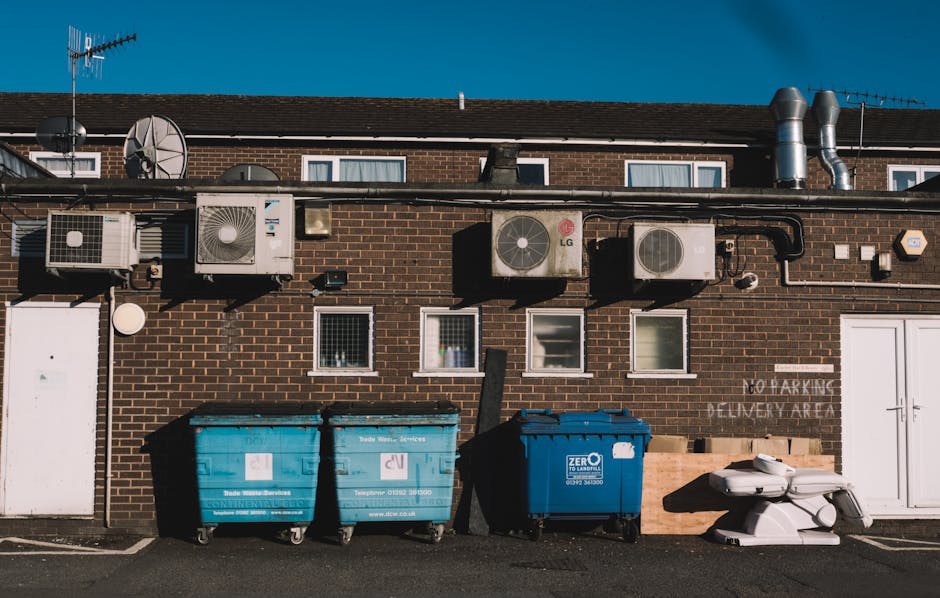
London vs Manchester: bulky waste rules and what residents must do
Getting rid of a sofa, mattress, fridge, or a pile of old furniture should be straightforward. In practice, it often isn't. The rules for bulky waste collection can vary quite a bit between London and Manchester, and the steps residents must take depend on whether you are using a council service, a private clearance company, or a recycling route for specialist items. If you live in either city, knowing the difference can save time, money, and a last-minute scramble on the pavement outside your home.
This guide breaks down London vs Manchester bulky waste rules in plain English, explains what residents must do before booking a collection, and shows where the common traps are. You'll also find practical examples, a comparison table, a checklist, and pointers to relevant services such as bulky waste collection, council large item collection, and specialist removal options for items like a sofa collection or mattress disposal.
One thing becomes clear quickly: the label "bulky waste" sounds simple, but the operational rules are not. That's exactly why residents benefit from a careful, city-by-city approach.
Table of Contents
- Why London vs Manchester: bulky waste rules and what residents must do Matters
- How London vs Manchester: bulky waste rules and what residents must do Works
- Key Benefits and Practical Advantages
- Who This Is For and When It Makes Sense
- Step-by-Step Guidance
- Expert Tips for Better Results
- Common Mistakes to Avoid
- Tools, Resources and Recommendations
- Law, Compliance, Standards, or Best Practice
- Options, Methods, or Comparison Table
- Case Study or Real-World Example
- Practical Checklist
- Conclusion
- Frequently Asked Questions
Why London vs Manchester: bulky waste rules and what residents must do Matters
Bulky waste is the sort of waste that is too large for a normal bin but still household in nature: old wardrobes, broken chairs, divans, mattresses, white goods, and similar items. The important part is not just what the item is, but how the local authority or collector expects it to be presented. Councils can have different booking systems, limits, access requirements, accepted items, and charges. Manchester residents may find one process; London residents may find a patchwork of borough-level rules.
That city difference matters because "London" is not one single waste authority. A resident in Westminster will usually face different collection arrangements from someone in Croydon, Barnet, or Wandsworth. Manchester is more unified at city level in many everyday discussions, but residents still need to check the exact local service terms and collection rules for their area. If you assume the rules are identical, you can end up with a missed collection, additional charges, or items left outside too early.
There's also a practical side. Many bulky items are awkward to move, and some are hazardous if mishandled. A fridge may contain refrigerants. A mattress may be unhygienic after long storage. Builders' offcuts are not the same as household waste and often belong under a different clearance route, such as builders waste clearance. Getting the classification right helps protect both your wallet and the environment.
Expert takeaway: The real question is rarely "Can I get rid of this?" It is "Which route is allowed, fastest, safest, and cheapest for this specific item in my borough or city?"
That is why residents in London and Manchester should think in terms of process, not just disposal. Once you understand the process, the rest becomes much easier.
How London vs Manchester: bulky waste rules and what residents must do Works
At a high level, the bulky waste process is similar in both cities: identify the item, check what service accepts it, book a collection or arrange a private clearance, prepare the item correctly, and ensure it is accessible on the day. But the details can change a lot.
In London, bulky waste often sits within borough-level services. That means booking rules, item limits, and collection days can vary even between neighbouring areas. Some boroughs offer a fixed number of items per booking. Others may charge by item or by load. Some require the item to be placed at the property boundary or ground floor only. For flats, shared entrances and limited access can make it especially important to check the conditions before booking a flat clearance or general home clearance.
In Manchester, residents will still need to follow the local collection process carefully. In many cases, the service may be simpler to navigate if it is centralised, but that does not mean every item is automatically accepted. The same principles apply: you need the right booking, the right item description, the right presentation, and compliance with the published rules.
Private collection services work differently. Instead of waiting for council slots, you request a quote, agree a price, and book a time window. That can be useful if you have limited availability, multiple items, or a property that needs more than a standard council large-item pickup. For example, a mix of furniture disposal, fridge disposal, and white goods recycle can be easier to coordinate with one collection provider than through separate council routes.
What residents must do is simple in theory, but crucial in practice:
- Identify every item clearly.
- Check whether the item is accepted by your council or clearance provider.
- Separate reusable, recyclable, and hazardous items.
- Book the collection with accurate details.
- Place the items exactly where instructed.
- Make sure access is clear on the day.
- Keep proof of booking or confirmation.
That final point matters more than people think. If there is any dispute about what was booked or what should have been collected, having confirmation to hand is useful. Mildly boring? Yes. Essential? Also yes.
Key Benefits and Practical Advantages
Following the rules properly is not just about avoiding problems. It also makes bulky waste disposal faster, cleaner, and usually cheaper overall.
- Fewer missed collections: Correct item descriptions and placement reduce the chance of a failed pickup.
- Better cost control: You avoid paying for rebookings, extra-load fees, or waste stored too long.
- Less disruption: A tidy, pre-sorted collection is easier for residents, neighbours, and crews.
- Safer handling: Large items can injure people if moved badly or left in stairwells.
- Improved recycling outcomes: Items that are separated properly are easier to reuse or recycle.
- Less stress in shared buildings: In flats and terraces, organised removal reduces friction with neighbours and managing agents.
There is also a hidden benefit: you become much better at deciding whether to use a council service, a private collection, or a specialist disposal route. That means less time browsing vague advice and more time getting the actual job done.
If your bulky item is part of a bigger clean-up, the advantages multiply. A garage clear-out, for instance, may involve old shelving, a broken freezer, a few bags of junk, and garden waste. In that case, a broader route such as garage clearance or garden clearance may be more practical than booking item by item.
Who This Is For and When It Makes Sense
This topic is relevant to a wide range of residents, and each group tends to face a slightly different pain point.
Homeowners and tenants
If you are replacing furniture, moving house, or simply clearing clutter, you need a route that is reliable and clear on price. Households often need help with one-off items such as sofas, mattresses, wardrobes, and broken appliances. Services like bed disposal and mattress collection are especially relevant during moves or refurbishments.
People living in flats
Flat residents often have the hardest time with bulky waste. Narrow staircases, lift restrictions, parking controls, and concierge rules can complicate a simple collection. A well-planned flat clearance avoids the classic "it is downstairs, now what?" moment.
Landlords and letting agents
When a tenancy ends, bulky waste may be left behind. Landlords usually need the fastest route to reset the property. The right approach may be a mixed house clearance or targeted item removal if only one or two pieces remain.
Businesses and small offices
Bulky waste rules do not stop at the front door of an office. Desks, chairs, cabinets, and IT-related waste can need a different handling route, and business owners should avoid mixing commercial waste with household collections. For larger workplace clear-outs, office clearance and business waste removal are usually more appropriate than a domestic booking.
Anyone with specialist items
Fridges, freezers, and some white goods need careful handling. These are not just "big" items; they are often regulated in practice because of the materials inside. The same is true for large furniture, which may be better served by furniture collection or sofa removal depending on condition and access.
Step-by-Step Guidance
If you want the cleanest possible outcome, follow a simple sequence. It sounds obvious, but most collection headaches happen because one of these steps gets skipped.
- List every item you want removed. Be specific. "A bed frame, mattress, two chairs, and a small fridge" is far better than "a few things."
- Separate what is reusable or recyclable. Keep aside anything that could be donated, sold, or taken via specialist recycling. This can reduce waste volume and cost.
- Check your local route. In London, confirm your borough's bulky waste arrangements. In Manchester, confirm the city or local service conditions. If you are unsure, compare council options with private collection.
- Decide whether council or private collection is better. A council route may suit a smaller number of items and a flexible timeline. A private service can work better for speed, multiple items, or difficult access.
- Confirm access details. Think about parking, lift access, stairs, and whether the collection point is outside the building or inside a property.
- Book using accurate information. Be honest about item size, type, and quantity. Understating the load is a common cause of extra charges or failed visits.
- Prepare the items the way you were told. Some services want items in a specific place, bagged, broken down, or separated by material. Don't assume.
- Keep the area clear on collection day. This helps the crew work safely and quickly.
- Check what has been collected. Before the vehicle leaves, make sure nothing has been missed.
A practical example helps here. If you are clearing a spare room in Manchester, you might have a wardrobe, a mattress, and an old chest of drawers. If you live in London in a top-floor flat, the same load could require more planning, stronger access checks, and possibly a private collection if the council route cannot handle stairs or timed loading. The waste is the same; the logistics are not.
Expert Tips for Better Results
These are the small things that make a collection feel smooth instead of chaotic.
- Photograph the items before booking. It helps you keep track of what is included and can support an accurate quote.
- Measure large pieces. Doorways, lifts, and stairwells matter. A sofa that looks manageable in the living room can become a problem at the front door.
- Strip items where sensible. Remove cushions, detachable legs, or loose shelves if instructed to do so.
- Keep hazardous or specialist waste separate. Paint, chemicals, and some electrical components should not be treated as ordinary bulky waste.
- Use the right route for the right item. A mattress, fridge, and builders' rubble should not all be handled the same way.
- Think in loads, not just items. Sometimes three large pieces are more awkward than eight smaller ones.
A small but valuable observation: the best collections usually look a little over-prepared from the resident's side. That is not a bad thing. It is a sign the job has been thought through.
If you are replacing multiple items at once, consider whether a single-booking clearance route makes more sense. For example, a room refresh may need furniture clearance, while a post-move clean-out may require a broader rubbish clearance. Matching the service to the real job is often the smartest move.
Common Mistakes to Avoid
Most bulky waste problems are avoidable. The most common mistakes are surprisingly mundane.
- Assuming London is one single rulebook. It is not. Borough-level differences are real.
- Ignoring access rules. A collection booked for the wrong place can fail even if the item is ready.
- Leaving items out too early. That can create clutter, attract complaints, or breach local guidance.
- Mixing general waste with specialist items. Fridges, mattresses, and construction waste may need different handling.
- Forgetting about parking and loading space. This is a big one in dense parts of both cities.
- Booking based on guesswork. "It's only a small cupboard" is not the same as a proper description.
- Skipping recycling options. Some items can be reused, recycled, or handled more sustainably if separated early.
There is also a quiet administrative mistake: not reading the terms. Terms and conditions, payment rules, and cancellation policies matter more than people expect, especially if the slot is tight. If you want a clearer understanding before booking, it is worth checking pricing and quotes along with the service terms.
Tools, Resources and Recommendations
Good planning tools do not have to be fancy. In fact, the simplest ones are usually enough.
- A tape measure: Useful for furniture dimensions, door widths, and stair clearances.
- A phone camera: Useful for documenting item condition and quantity before booking.
- A notes app: Handy for listing items, access instructions, and booking reference numbers.
- A postcode and borough check: Essential in London, where the exact borough often shapes the process.
- A comparison between collection routes: Councils, private collectors, and recycling services each have their place.
For many residents, the best starting point is a direct comparison of service types. A general bulk waste collection may be enough for a mixed household load. If you mainly need furniture gone, a more focused furniture disposal service could be better. If you need to remove several mixed items from one room, a wider waste removal or waste disposal route may be the easiest fit.
Residents who care about sustainability should also look at how items are sorted and where they go next. A service with a visible recycling approach is usually preferable, particularly for recyclable furniture, metals, and electricals. For that reason, recycling and sustainability should be part of the decision, not an afterthought.
Law, Compliance, Standards, or Best Practice
When dealing with bulky waste, the main compliance point is simple: use an authorised route and present waste as required. Residents should not assume that because an item is household waste it can be left anywhere, at any time, or collected by any operator. If waste is removed by a third party, it should be through a legitimate service that handles the material responsibly.
In practical terms, best practice includes:
- checking that the collector can legally and safely take the waste;
- avoiding fly-tipping risks by never leaving items in unauthorised locations;
- keeping documentation or booking confirmations;
- separating hazardous or specialist waste;
- following local access and placement instructions exactly.
For council services, residents should read the borough or local authority rules carefully because the conditions can differ. For private collection, it is sensible to review the provider's terms, payment process, and safety assurances before booking. If you want to understand the operator's approach to customer handling and business standards, pages such as insurance and safety, health and safety policy, and payment and security are worth checking.
Residents should also know that some items need extra care. Fridges, freezers, mattresses, and white goods may be recyclable, but they are not interchangeable with standard rubbish. A targeted service such as white goods recycle or fridge disposal is often the more appropriate route. That is the kind of detail that keeps a collection compliant and efficient.
Options, Methods, or Comparison Table
For most residents, the choice comes down to council collection, private bulky waste removal, or a specialist route for a particular item. The right answer depends on urgency, access, item type, and how much sorting you want to do yourself.
| Method | Best for | Typical strengths | Watch-outs |
|---|---|---|---|
| Council bulky waste collection | Household items, modest volumes, flexible timing | Often cost-effective; familiar process; suitable for standard items | Rules vary; may have limits; booking windows can be less flexible |
| Private bulky waste collection | Urgent jobs, multiple items, tricky access, mixed loads | More flexible; quicker to arrange; can handle a wider range of items | Pricing varies; needs accurate item details; terms must be checked |
| Specialist disposal route | Beds, mattresses, fridges, white goods, builders' waste | Better handling for specific material or compliance needs | Requires correct classification; not every service accepts every item |
There is no universal winner here. A small flat in London with a single mattress may be fine on a council route. A Manchester resident clearing a whole lounge set after a redecorating project may prefer a private sofa removal and furniture clearance approach. The "best" method is the one that fits the real job, not the most obvious one.
Case Study or Real-World Example
Imagine two residents, both getting rid of the same three items: a double bed, an old mattress, and a small fridge.
Resident A lives in central London. They are in a fourth-floor flat with restricted loading space outside. The building has a narrow lift and a limited time window for deliveries and removals. In this case, the resident needs to confirm access details carefully, book a suitable slot, and possibly use a private service that can work around the building's constraints. A combined bed disposal, mattress disposal, and fridge disposal service is likely more practical than trying to juggle separate bookings.
Resident B lives in Manchester. They are in a semi-detached house with easy front-garden access and room to place the items at the kerb or agreed pickup point. Here, a council or local bulky waste route may be enough, provided the items match the accepted list and the booking is made with the correct quantity. If the fridge is still intact and the bed has multiple components, they should make sure the booking clearly lists every piece.
Both residents are dealing with the same "bulky waste" category, but the best approach differs because of access, timing, and local rules. That is the real lesson: the item list is only half the story. The property matters just as much.
Practical Checklist
Use this checklist before you book or place any bulky waste for collection.
- Have I identified every item clearly?
- Do I know whether the item is accepted by my council or collector?
- Have I checked my borough or city-specific rules?
- Do I know the collection point and access requirements?
- Have I measured large items and checked doorways or stairwells?
- Have I separated any recyclable or reusable pieces?
- Am I clear on the booking time, fees, and cancellation terms?
- Have I kept proof of booking or confirmation?
- Have I removed anything hazardous or specialist that needs a different route?
- Is the area clear for safe loading on the day?
If you can tick all of those off, you are in a strong position. If not, take five minutes to fix the gaps now; it usually saves a lot more than five minutes later.
Conclusion
London and Manchester both offer practical ways to deal with bulky waste, but the resident's job is not just to "put something out." It is to follow the correct route, present the waste properly, and choose the collection method that fits the property, the item, and the timing. London usually demands more borough-by-borough checking, while Manchester residents still need to verify local rules and accepted item types carefully.
The best results come from accurate descriptions, sensible preparation, and choosing the right service from the start. Whether you need council waste collection, a targeted large item collection, or a full waste clearance, the process becomes much easier once you know what the rules are and what you must do.
Get a free quote today and see how much you can save.
If you want to explore more about the service provider, the team background is available on the about us page, and you can always reach out through contact us for help with a specific bulky waste job.
Frequently Asked Questions
Is bulky waste the same in London and Manchester?
Broadly, yes: it refers to large household items that do not fit in normal bins. The difference is in how each city or borough organises collection, what it accepts, and what residents must do before the pickup.
Do London boroughs all follow the same bulky waste rules?
No. London is highly borough-based, so residents often need to check the exact local guidance for their area. Booking limits, item types, charges, and placement instructions can differ from one borough to the next.
Is Manchester easier for bulky waste collection than London?
Sometimes it can feel simpler because the city structure is more straightforward for residents, but that does not mean all rules are identical or automatic. You still need to check the local service, accepted items, and presentation requirements.
Can I leave bulky waste on the pavement before collection?
Only if the local service or collector has told you to do so. Leaving waste out too early or in the wrong place can create problems, including complaints, missed collections, or enforcement issues.
What items are usually classed as bulky waste?
Common examples include sofas, beds, mattresses, wardrobes, tables, chairs, fridges, freezers, and similar large household items. Some items may need a specialist route depending on their condition or contents.
Should I use the council or a private bulky waste service?
Use the council if the item count is modest and you can work within their process. Choose a private service if you need flexibility, faster timing, mixed loads, or help with access challenges.
What should I do with a fridge or freezer?
Fridges and freezers should be handled through a suitable disposal or recycling route, because they may contain materials that need specific treatment. A targeted service such as fridge disposal is usually the better option.
Can mattresses be collected with other furniture?
Often yes, but it depends on the service and how the booking is structured. Some residents use a combined furniture or house clearance route, while others book mattress disposal separately.
What happens if my bulky waste is too heavy or hard to access?
You may need to choose a private collection with staff who can handle stairs, lifts, parking restrictions, and awkward access. Always be accurate about access details when booking; it avoids headaches later.
Do I need to sort items before collection?
Usually yes, at least to some extent. Separate recyclable, reusable, and specialist items where possible, and follow the service instructions on dismantling, bagging, or placing items.
How do I avoid extra charges on bulky waste collection?
Give a complete and accurate item list, check the access conditions, confirm what is included in the quote, and make sure the items are ready in the correct place at the scheduled time.
Where can I find more help with bulky waste and clearance?
You can review service pages for specific items and property types, including waste removal, furniture collection, flat clearance, and specialist disposal options. If in doubt, ask before booking so you can choose the right route first time.