Guide to disposing electrical waste safely across the UK
If you have a broken toaster in the cupboard, an old laptop gathering dust, or a fridge that finally gave up after one too many "temporary fixes", you are not alone. Electrical waste builds up fast. And because it can contain wires, batteries, metals, plastics, and sometimes hazardous components, the safe way to deal with it is not always obvious. This Guide to disposing electrical waste safely across the UK walks you through the practical options, the risks to avoid, and the simplest way to stay on the right side of UK best practice without making the whole thing a faff.
Truth be told, most people only think about electrical waste when it is already in the hallway, taking up space. That is where the stress starts. The good news? Once you understand the main routes for disposal, it becomes much easier to make the right call. This article covers what counts as e-waste, why safe disposal matters, how collection and recycling usually work, and when a specialist service makes more sense than a trip to the tip.
Why Guide to disposing electrical waste safely across the UK Matters
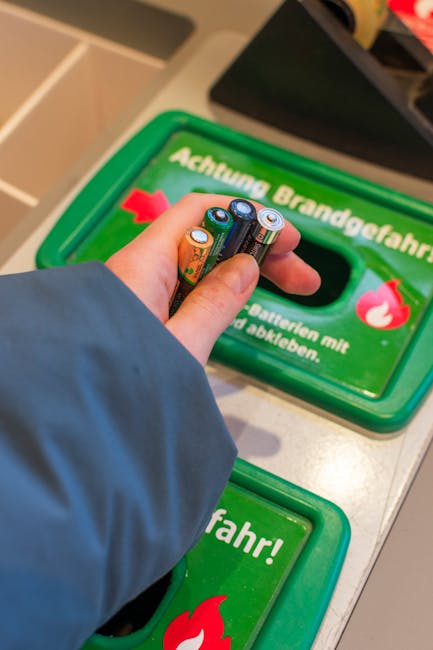
Electrical waste, often called WEEE or waste electrical and electronic equipment, is not the same as ordinary household rubbish. A kettle, a monitor, a hairdryer, a vacuum cleaner, and a smashed printer all need a different level of care than a bag of mixed general waste. Some items contain rechargeable batteries, circuit boards, refrigerants, mercury lamps, or small parts that should not end up in landfill or with loose rubbish in the back of a van.
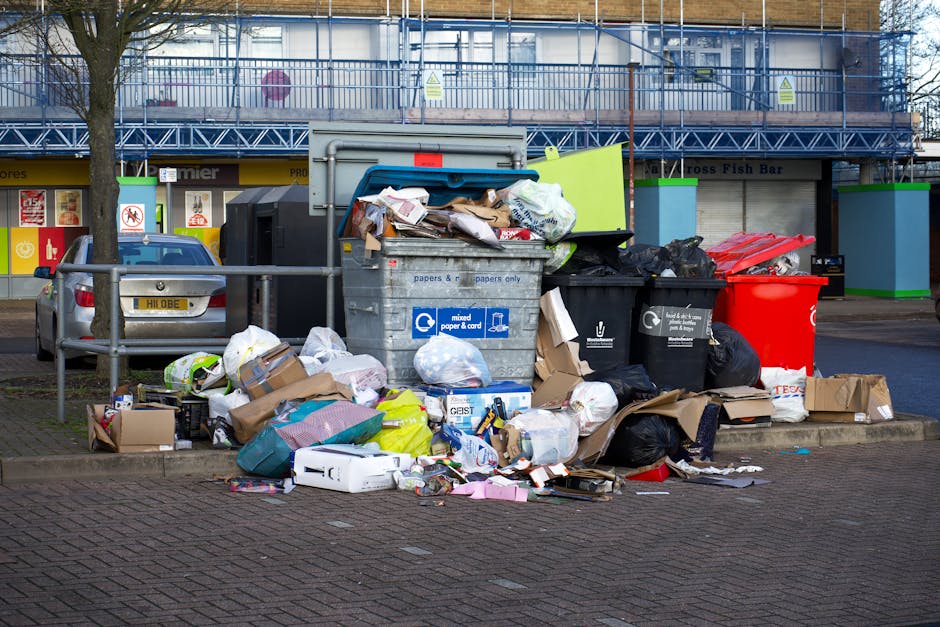
The reason this matters is simple: unsafe disposal can create fire risk, contamination, and unnecessary pressure on council collections and recycling systems. It can also mean you lose reusable materials that could be recovered. In practical terms, it is the difference between chucking something "out of sight" and handling it in a way that is actually responsible. Let's face it, the old "just dump it with the rubbish" approach is no longer fit for purpose.
There is also a space problem. Homes, flats, garages, and offices are full of half-broken appliances people keep meaning to sort. One old microwave turns into three old devices, then a printer, then a spare TV. Before you know it, you are stepping around cables and wondering why the spare room looks like a backroom tech museum. Safe disposal clears that clutter and reduces risk at the same time.
Practical takeaway: electrical waste should be treated as a separate stream, not a general rubbish problem. If it plugs in, charges, cools, heats, flashes, or runs on a circuit board, think before you bin it.
How Guide to disposing electrical waste safely across the UK Works
In the UK, electrical waste can usually be handled through a few main routes: council collection, a household recycling centre, retailer take-back schemes, specialist recycling, or a licensed waste removal service. The right option depends on the size of the item, its condition, whether it contains batteries or refrigerant, and how quickly you need it gone.
The broad principle is straightforward. First, separate electrical items from general rubbish. Second, remove anything that could make transport unsafe, such as loose batteries or sharp broken glass, where it is safe to do so. Third, choose a route that can keep the item within a proper recycling or disposal chain. Small items may go to a local recycling point. Larger items, such as fridges or washing machines, often need a collection arranged in advance or handled through a service that understands bulky waste and appliance removal.
For many households, the process is not about one magical rule. It is about choosing the least messy and most responsible option. If you have a single lamp, the decision is easy. If you have a houseful of old appliances after a move, renovation, or bereavement clearance, things get more involved. That is where services like waste disposal and waste removal become relevant, especially when you need more than a one-off bin run.
There is also the question of sorting. Some electrical items are reusable if they still work. Others are clearly end-of-life. A reused laptop is a different story from a burnt-out toaster with melted wiring. In practice, safe disposal begins with a quick judgement call: can this item be donated, repaired, or passed on? If not, it moves into the disposal or recycling route.
Key Benefits and Practical Advantages
Safe electrical waste disposal is not just about being "good" or ticking a box. It has very real practical benefits.
- Reduced fire and shock risk: damaged plugs, swollen batteries, and broken casings can be hazardous if left lying around.
- Cleaner home or workplace spaces: removing old equipment frees up storage, floors, and back rooms quickly.
- Better recycling outcomes: many appliances contain recoverable metals and plastics that can be reclaimed.
- Less stress during clearances: when electrical items are sorted properly, the rest of the job becomes easier.
- More predictable handling: a planned collection is much less chaotic than improvising on the day.
One overlooked advantage is time. People often underestimate how long it takes to move a dead fridge down a narrow stairwell or load multiple monitors into a car safely. If you are in a flat, or the item is tucked behind furniture, you quickly realise that "I'll just deal with it later" has a habit of becoming a weekend project. Sometimes the sensible option is the one that saves your Saturday.
Another benefit is peace of mind. You know the item is not going to end up in the wrong place. That matters more than people think, especially if the waste includes batteries, cooling gases, or tangled cabling. It is one less thing nagging at you.
Who This Is For and When It Makes Sense
This guidance is useful for a wide range of people. Homeowners, tenants, landlords, letting agents, office managers, shop owners, tradespeople, and anyone clearing a property can all run into electrical waste problems. The common thread is this: if you have electrical items that are broken, obsolete, unsafe, or simply taking up room, you need a disposal route that fits the item and the situation.
It makes particular sense when:
- you are moving house and the old appliances will not come with you
- you are replacing white goods, office equipment, or entertainment devices
- you are clearing a loft, garage, basement, or storage unit
- you manage rental turnarounds and need items removed between tenancies
- you are refurbishing and need a clean sweep of old kit
- you have bulky items that are awkward or unsafe to move yourself
For businesses, the stakes are slightly higher. Electrical waste from an office, shop, or workshop may need more formal handling, especially if there are larger volumes, damaged IT equipment, or items that include sensitive data. A small office clear-out is one thing. Ten desks, old monitors, cable trays, and a dead printer fleet? That is a different kettle of fish entirely.
It also makes sense for people who just do not want to guess. Not everyone has time to work out whether a broken coffee machine belongs at a recycling centre, in a council collection, or with a specialist remover. If that sounds familiar, you are in the right place.
Step-by-Step Guidance
If you want the simplest route, follow these steps. They are plain-English, practical, and work for most households and many small businesses.
- Identify the item. Is it a small electrical, a white good, IT kit, lighting, or something with batteries or refrigerant?
- Check if it can be reused. If it still works and is safe, donation or resale may be better than disposal.
- Remove anything loose. Take out batteries where the device design allows and it is safe to do so. Keep cables together if possible.
- Consider size and weight. A toaster is one thing; a fridge freezer is another. Be honest about what you can move safely.
- Choose the route. Use a council collection, recycling centre, retailer take-back, or a specialist service depending on the item.
- Prepare the item for collection. Unplug it, empty it, defrost freezers if requested, and make sure access is clear.
- Keep proof if needed. Businesses, landlords, and managing agents may need records showing proper disposal.
Here is a useful rule of thumb: if you would not want to lift it alone down a wet stairwell at 8am on a Monday, think twice before planning to do it yourself. Not every item needs a heroic effort. Some just need the right collection method.
For bigger household items, look at options like bulky waste collection, large item collection, or, for white appliances, white goods recycle. If you are clearing more than one appliance, you may find bulk waste collection or council large item collection more practical than piecemeal trips.
Expert Tips for Better Results
A few small habits make electrical waste disposal easier, cheaper, and safer. These are the things people often only learn after the first awkward attempt.
- Group similar items together. If you have five small appliances, stack them by type so sorting is easier.
- Photograph the items first. Handy for quotes, insurance records, or business waste logs.
- Keep chargers and cables together. Loose wires are a nuisance, and they always seem to vanish when you need them most.
- Check access early. Measure doorways, stairs, lifts, and tight corners. A fridge does not negotiate well.
- Ask about special items. Fridges, freezers, monitors, and anything with refrigerant or batteries may need extra handling.
- Clear a path before collection day. It saves time and reduces the chance of damage to floors or walls.
In our experience, the best clear-outs are the boring ones. Everything is labelled, stacked neatly, and ready before anyone arrives. No last-minute rummaging behind the washing machine. No "I thought that cable belonged to the other laptop". Boring is good here.
If you are dealing with mixed waste as part of a larger clearance, services like home clearance, house clearance, or office clearance can be more efficient than trying to split everything into separate trips. That is especially true when the electrical items are just one part of a wider clear-out.
Common Mistakes to Avoid
Electrical waste sounds simple until people start making assumptions. These are the mistakes that crop up most often.
- Putting electrical items in general rubbish. This is the big one. It is risky and usually the wrong route.
- Leaving batteries inside devices without checking. Batteries can leak, overheat, or become unsafe if crushed.
- Ignoring broken screens or sharp edges. A cracked monitor or TV can cut you while moving it.
- Underestimating weight and size. Old appliances are often heavier than they look.
- Assuming every council offers the same service. Collection options vary, and you need to check what is available locally.
- Forgetting about data. Hard drives, laptops, and phones can hold personal or business information.
- Mixing electricals with builders' rubble or garden waste. Different waste streams are often handled differently.
One subtle mistake is leaving disposal to the very end of a move or renovation. That is when the item gets shoved in a corner and forgotten. Then the skip leaves, the van is gone, and the old printer is still in the loft. Annoying, but common.
Another mistake? Trying to dismantle something complicated just to make it "easier" to bin. Unless you know what you are doing, that can create more hazards than it solves. Sometimes the safest move is to leave the item intact and let the collector deal with it properly.
Tools, Resources and Recommendations
You do not need specialist equipment to dispose of most household electrical waste, but a few basic tools make the job smoother.
- Strong gloves: useful for moving broken or sharp-edged items.
- Tape or cable ties: keep cords tidy and reduce tangling.
- Marker labels: helpful if you are sorting several items for collection.
- Measuring tape: worth having if large items need to pass through narrow routes.
- Moving blanket or trolley: good for heavier appliances if you are shifting them short distances safely.
For customers comparing disposal options, it can help to look at related services too. If the waste load includes furniture, mixed household items, or a full room's worth of clutter, pages such as rubbish clearance, waste clearance, and rubbish removal are useful reference points. If the item is an appliance, the fridge and white goods routes are usually more relevant than general rubbish handling.
For businesses, it is also worth thinking about record-keeping and payment security before booking any service. Having a clear paper trail and knowing how the provider handles payments reduces friction later. If you are comparing providers, pricing and quotes, payment and security, and insurance and safety are sensible pages to review.
Law, Compliance, Standards, and Best Practice
Electrical waste in the UK is governed by established waste and environmental expectations, and while the details can vary by item type and who owns the waste, the baseline is clear: electrical items should be handled through proper waste channels, not treated like ordinary rubbish.
For households, the practical side is usually straightforward. Use council facilities, retailer take-back options where available, or a licensed collection service. For businesses, the expectations are stricter. You may need to keep better records, separate waste streams, and ensure any contractor is acting appropriately. That is especially important for larger volumes, office equipment, or items that may contain sensitive data.
Best practice normally means:
- keeping electrical waste separate from general waste
- using a legitimate recycling or disposal route
- ensuring items are not fly-tipped or left unsecured
- handling hazardous components carefully
- protecting data before disposing of IT equipment
If a device contains batteries, refrigerant, fluorescent lamps, or other potentially hazardous parts, it should be treated with extra caution. Fridges and freezers, for example, often need specialist handling. So do some commercial devices and older electronics. The safe assumption is simple: if the item feels "special case", treat it as one until you know otherwise.
Companies arranging regular disposal should also pay attention to policy and quality signals. A provider that publishes clear information on health and safety policy, recycling and sustainability, and complaints procedure is usually giving you more transparency than one that leaves everything vague. That does not solve every issue, but it does help you make a calmer decision.
Options, Methods, or Comparison Table
There is no single best disposal method for every item. The right choice depends on convenience, size, urgency, and whether the item is reusable. This comparison should help you decide faster.
| Method | Best for | Pros | Watch-outs |
|---|---|---|---|
| Council recycling centre | Small to medium electrical items, mixed recyclables | Good for one-off drop-offs, often suitable for many household items | You need transport, lifting can be awkward, opening hours may not suit everyone |
| Retainer or retailer take-back | Items replaced during a new purchase | Convenient when buying a replacement | Not always available for every item or every retailer |
| Specialist collection | Fridges, freezers, bulky appliances, office clearances | Less lifting, easier for awkward items, better for multi-item jobs | May cost more than DIY disposal, especially for single small items |
| Reuse or donation | Working electricals in decent condition | Extends product life, reduces waste | Not suitable for damaged, unsafe, or very outdated equipment |
If you are dealing with a bulky appliance, a service like fridge disposal may be the cleanest option. For other large household items, a mix of bulky waste collection and council rubbish collection could be enough, depending on what you are trying to clear.
For white goods in particular, it is worth choosing the route that avoids unnecessary lifting and protects flooring, stair rails, and walls. Anyone who has tried to move a washing machine through a tight kitchen knows why. Not glamorous. Not fun. But it can be done sensibly.
Case Study or Real-World Example
A fairly typical example: a family in a Victorian terrace is clearing out the house before a sale. The list includes a broken microwave, an old desktop computer, a printer, a spare television, and a fridge freezer from the utility room. At first, the plan is to take everything to the tip in two car loads. Then they realise the fridge will not fit safely, the TV is awkwardly cracked, and the computer still has files on it.
Instead, they split the job. Smaller items are separated and wrapped so they are easy to carry. Data is removed from the computer. The fridge freezer is booked as part of a larger appliance collection. The whole thing is done in one clean pass rather than over a week of half-finished lifting and back pain. A much better outcome, frankly.
The real lesson is not that one method is always superior. It is that matching the method to the waste saves hassle. If the item is light, portable, and accepted locally, a drop-off may be easiest. If it is heavy, messy, or part of a wider clearance, a collection service is usually the calmer choice.
In the same sort of real-world scenario, people often add furniture or general clutter at the same time. That is where furniture disposal or furniture clearance can sit alongside electrical waste handling so the whole property is cleared in one go, not in little anxious bursts.
Practical Checklist
Use this checklist before you hand over any electrical waste.
- Have I checked whether the item can be repaired, reused, or donated?
- Have I separated electrical waste from general rubbish?
- Have I removed batteries, memory cards, or personal data where appropriate?
- Do I know whether the item contains refrigerant, fluids, or hazardous parts?
- Is the item clean enough and safe enough to move?
- Have I measured access routes for large appliances?
- Have I chosen the most suitable collection or recycling option?
- Do I need proof of disposal for records or compliance?
- Is the item secured so it will not topple or break further?
- Have I booked enough time, or enough help, to move it safely?
If you can tick most of those off, you are in good shape. If not, pause and sort the gaps first. A five-minute check can save a lot of hassle later.
Get a free quote today and see how much you can save.
Conclusion
Disposing of electrical waste safely across the UK does not need to be complicated. The key is to treat it as its own waste stream, choose the right disposal route, and avoid the common shortcuts that create risk later. Small items can often be recycled easily. Bulky appliances, office equipment, and mixed clearances usually benefit from a more structured collection plan.
That is really the heart of it. If you sort the item properly, keep safety in mind, and pick the route that fits the job, the process becomes far less stressful. And once the clutter is gone, the space feels better straight away. Brighter, somehow. Quieter too.
When in doubt, go for the option that is easiest to do correctly rather than the one that seems quickest in the moment. A little care now saves a lot of faff later, and that is usually the best deal of all.
Frequently Asked Questions
What counts as electrical waste in the UK?
Electrical waste includes any item that needs a plug, battery, charger, or circuit board to work. That covers everything from kettles and lamps to laptops, TVs, fridges, microwaves, and power tools.
Can I put small electrical items in my general rubbish bin?
No, that is generally not the right approach. Small electrical items should be separated and taken to a suitable recycling point, council facility, retailer take-back route, or collection service.
What is the safest way to get rid of a broken fridge or freezer?
The safest option is usually a specialist collection or an approved bulky waste route. Fridges and freezers can contain refrigerant and are heavy enough to be awkward and unsafe to move without proper planning.
Do I need to remove batteries before disposing of electrical items?
If the battery is removable and it is safe to take out, yes, that is often sensible. Loose batteries can present extra risk if they are crushed or stored badly, so keep them separate for proper handling.
Can old electronics be donated instead of recycled?
Yes, if they still work and are safe to use. Donation or resale is often a good option for laptops, phones, speakers, and small appliances that are still in decent condition.
How do I dispose of electrical waste from a business?
Businesses should use a proper waste route and keep records where needed. The process is often more formal than household disposal, especially for office equipment, bulk volumes, or items containing data.
What should I do with data on old laptops and phones?
Remove personal or business data before disposal. A factory reset may be enough for some devices, but sensitive equipment may need a more robust data-wiping process.
Is it better to take electrical waste to the tip or book a collection?
It depends on the item. Small, portable items can be fine for a trip to a recycling centre. Large, heavy, or awkward items are often easier and safer with a collection.
How do I know if an electrical item is too damaged to reuse?
If it is broken, unsafe, missing important parts, or showing signs of burning, leaking, or severe wear, it is usually better to recycle or dispose of it rather than pass it on.
Can I mix electrical waste with furniture or general rubbish during a clearance?
You can arrange a clearance that covers mixed items, but the electrical pieces still need to be handled appropriately. Good sorting at the start makes the whole job easier and safer.
Why do some electrical items need specialist handling?
Items like fridges, freezers, old monitors, and certain office devices may contain hazardous components, refrigerants, or sharp materials. Specialist handling helps reduce risk and improve recycling outcomes.
What is the most common mistake people make with electrical waste?
The most common mistake is treating it like ordinary rubbish. That often leads to unsafe disposal, missed recycling opportunities, or a much harder cleanup later.
If you are sorting a few items now, the best next step is simple: separate them, check what can be reused, and choose the safest disposal route available. Small progress really does make a difference, and a clear space has a way of making life feel lighter.